
Understanding Shutter Speed
Shutter Speed- What is it? Why is it speeding?

Last week we tackled the world of aperture, the first in the three pillars of photography… so you know what this means. It’s time for the second pillar aka shutter speed! Now, you may have noticed this newsletter is named after shutter speed and I’d like to tell you it’s because I am an expert BUT this is not the case, it’s just because Aperture Antelope just did not sound as catchy as Shutter Squirrel… I’m getting off topic here though, so let’s just dive right into understanding shutter speed.
What exactly is shutter speed?
Well, Shutter speed to put it simply refers to the amount of time that a camera's shutter stays open. The longer it is open the more light is collected for a photo. It is usually displayed in fraction form such as 1/4000th of a second. This would be considered a very fast shutter speed and would result in everything in the photo being ‘frozen’. Whereas a shutter speed lasting anywhere between 1 full second to 30 seconds would be considered slow and result in a photo with motion blur and light trails.
What does this actually mean for my photography?
Shutter speed affects two things when it comes to your photos, firstly given it is one of the three pillars of exposure, it's a safe bet to say exposure will be affected by the shutter speed, as it tells you above in the definition the longer the shutter stays open the more light will be collected for a photo. However, this isn't the only thing affected, shutter speed also plays a role in affecting the sharpness of your photos.
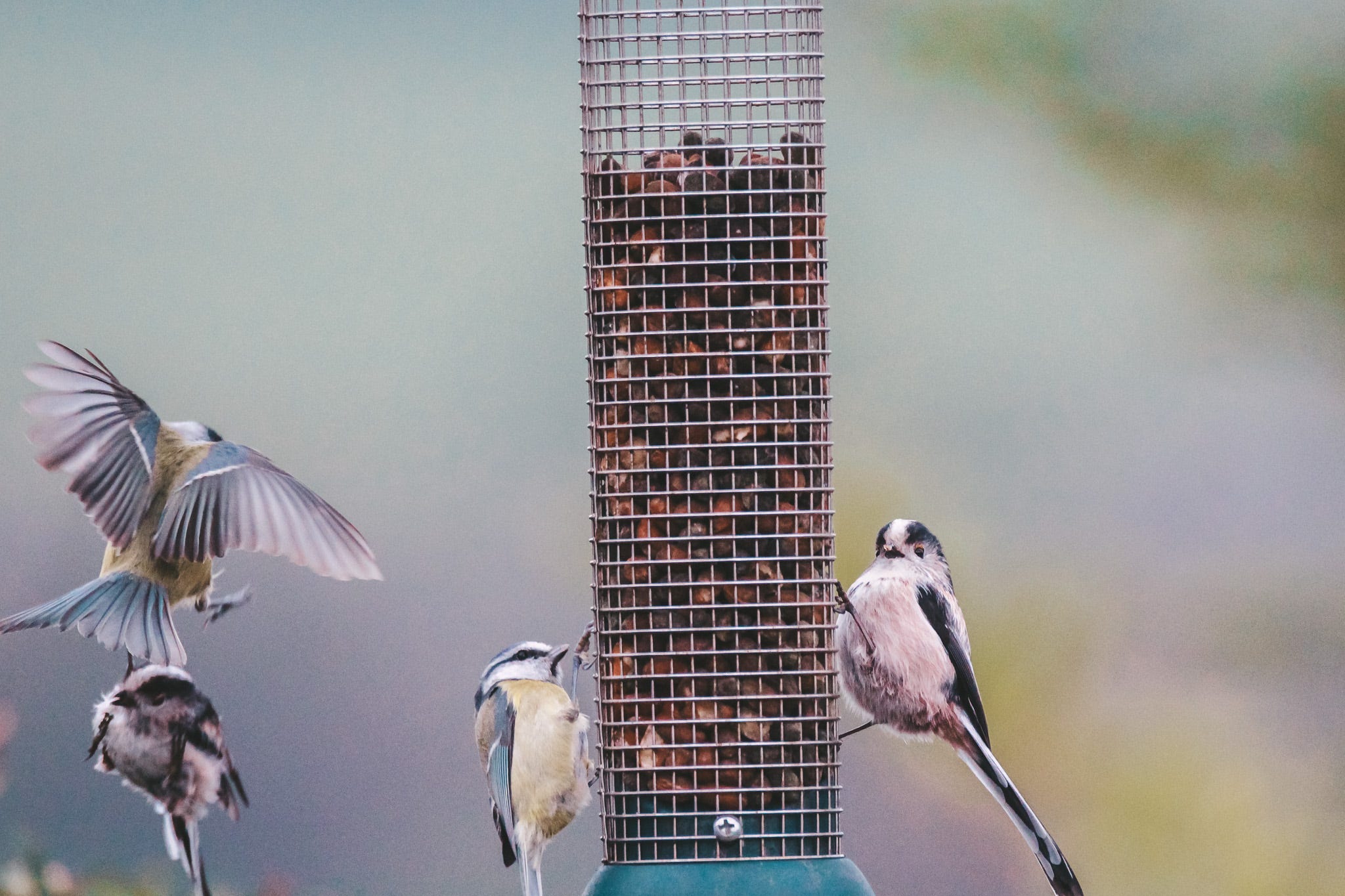
The faster shutter speeds freeze motion
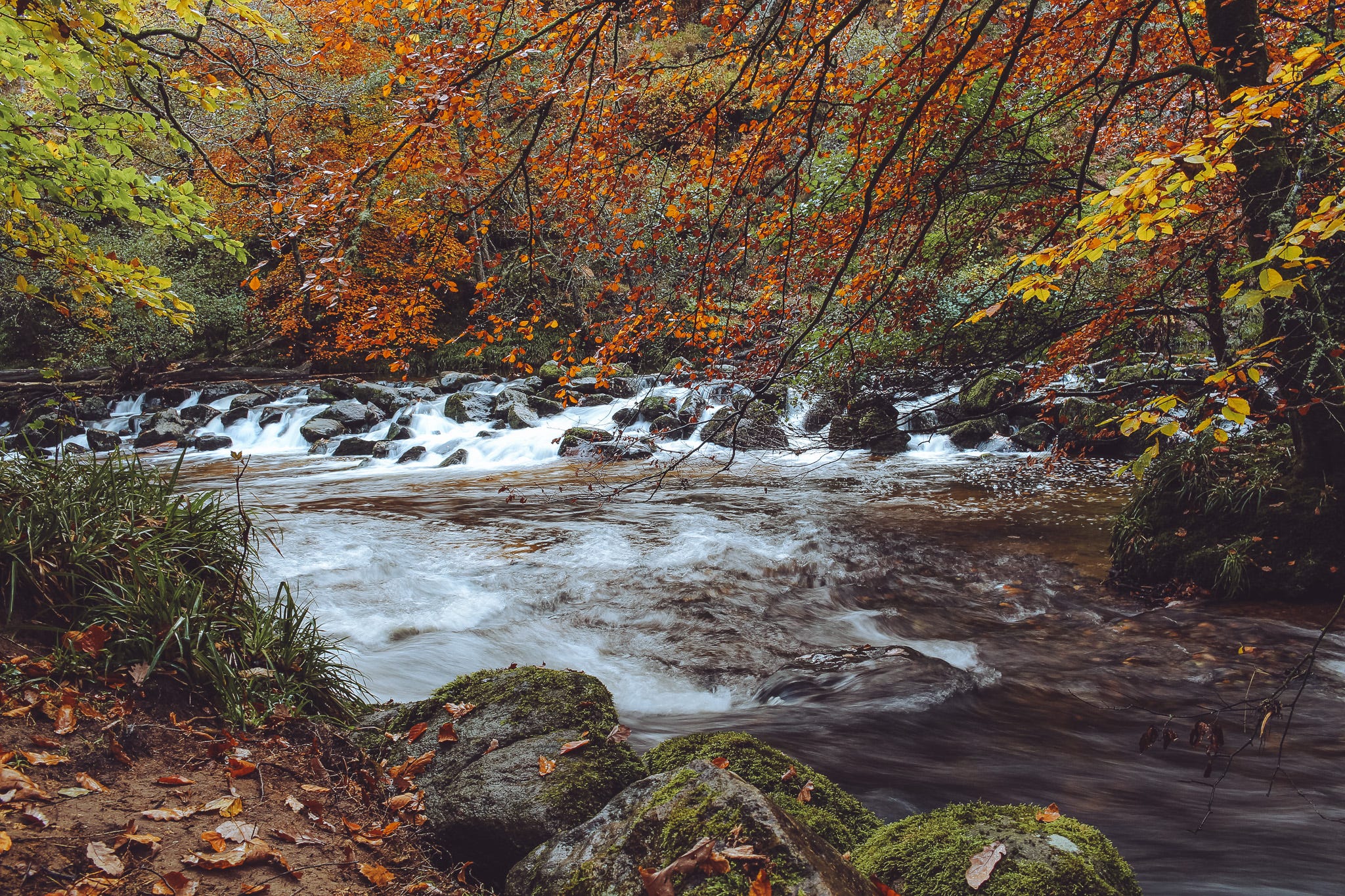
The slower shutter speeds blur motion
For example, let’s say you are photographing a bird in flight. So, you will want to set your camera up with a fast shutter speed such as 1/4000th of a second; this will mean all the details on the bird including its wings will be crisp, appearing as though it is perfectly frozen in the photograph. However, if you try to take that same photograph with a slow shutter speed such as 1/10th of a second the only thing you will capture is a complete blur.
The majority of cameras have a shutter speed priority mode- similar to aperture priority but the camera chooses the ISO and aperture whilst you choose the shutter speed. This is the perfect mode for practicing with different shutter speeds and working out what you like best.
So, how do you know what the correct shutter speed is?
So, it is all well and good talking about shutter speeds but how do you actually know which one to use? Well, this comes down to trial and error as well as knowing what your minimum shutter speeds are and then working upwards from there. There are a few ways you can work out what shutter speed will work, firstly have a look at the ‘information’ bit on photos you have already taken on auto mode; you should be able to see what shutter speed the camera chose and this can be a good baseline to work from. Or if you don't want to do this or haven't taken a suitable photo you can have a look at the list below with a couple of suggestions to get you started.
Animals walking - 1/500
Birds in flight- 1/2000- 1/4000
Trails of light - 1/30- 1 Second
Water flowing ‘frozen’- 1/125
Water flowing blur- ¼ - 1 second
Experimentation and creativity
The GREAT thing about shutter speed is the creativity and experimentation it opens up with your photographs! There are so many different techniques and ways to adjust your shutter speed to begin creating fun and exciting photographs. Below are just a few examples of the techniques you could try out!
A great piece of equipment for shutter speed experimenting is a tripod, or something to rest your camera on- this way your hands shaking won’t affect the final image.
Motion Blur- Embracing blur in your photographs for artistic impact. This is a great technique to bring another element into your photographs. To test out motion blur firstly, you will need something moving, perhaps try cars, boats, or people. You want to give yourself plenty of time to experiment, don't make your first attempt at motion blur something that may only appear once a day. Then just adjust your shutter speed, as a good starting point go with 1/30 for faster moving, and 1s for slower; then keep adjusting until you start getting the hang of it and enjoying the results!
ICM aka Intentional Camera Movement- ICM is another artistic technique for your photography that involves intentionally moving the camera when you press the shutter button. This can create some very artistic photographs, and is great fun to try out!
Photographer Spotlight
This is typically the section where I discuss some gear or item from my camera bag… but this week I want to use the section to highlight some different photographers doing some amazing work with different shutter speeds to highlight the range of ideas out there!
Darius Twin- Darius is an amazing light painting photographer who creates bold and colourful light paintings with a variety of characters- from dinosaurs to aliens and everything in between.
Charlotte Bellamy- Charlotte is an incredible ICM photographer whose work spans from forests, to coastlines, to nature scenes. Her work is definitely worth checking out if you are interested in the concept of ICM.
Nigel Danson- Nigel is one of my favourite landscape photographers and does an excellent job at capturing waterways through various shutter speeds.
A tip from the field:
The GREAT thing about shutter speed is the experimenting! Don’t be afraid to test out a whole range of speeds- you might just be amazed at the results!
Community Challenge #6
This week as the newsletter is all about shutter speed! Why not share some of your shutter speed experiment results? Or, just let me know how you get on testing out shutter priority! Share it here, on the Shutter Squirrel chat or use the #shuttersquirrel
I think the only experimenting I've done is with waterfalls — trying different shutter speeds to get different effects with the flowing water. But it's often bright out when I'm actually by a waterfall, limiting how slow my shutter speed can be.
One thing I'd love to do is photograph fireflies with a long shutter speed, but the one time I tried, there was too much light from other houses and stuff. I'll have to try again in the country or something.